
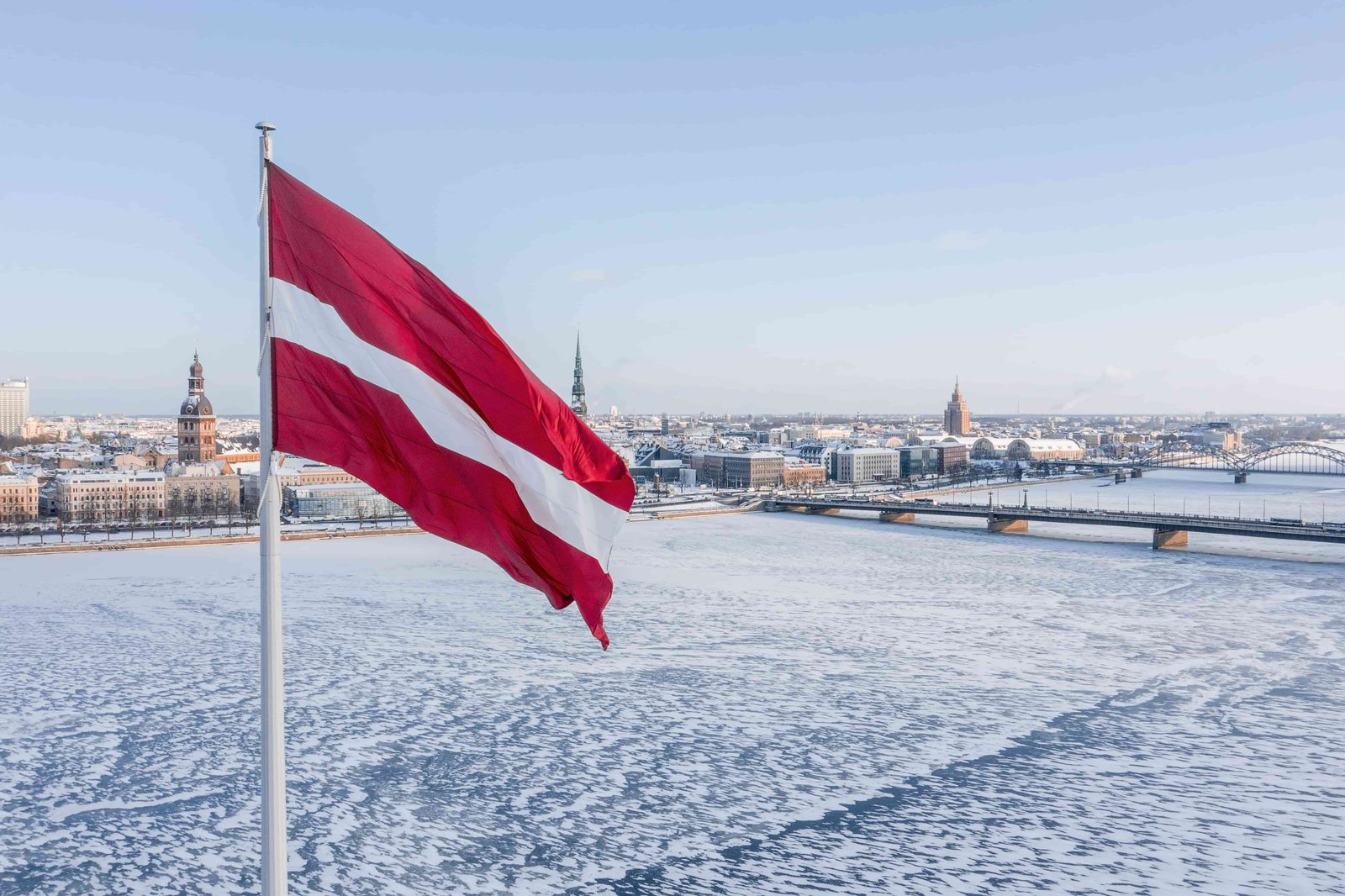
Riga is a practical starting point for a first trip to Latvia, but it need not be the whole trip. A few days can take you from the capital's market halls and apartment-lined streets to the beaches of Jūrmala or the wooded Gauja valley. With longer to spare, the western coast and the lakes of Latgale deserve time of their own.
This Latvia travel guide brings together the main decisions: how to arrive, where to stay and how much to fit into the days you have. Choose a small number of places you actually want to spend time in before joining them into a route.
Getting to Latvia and checking entry requirements
Riga Airport is the main air gateway. Direct routes depend on the season and your departure point, so compare the full journey, including connections and the transfer to your accommodation. Coaches also connect Latvia with neighbouring countries. Check current services rather than assuming every international route runs daily.
Latvia is in the Schengen area. Entry requirements depend on citizenship, travel documents, residence status and the purpose and length of the visit. A visa exemption or a visa issued elsewhere in Schengen does not remove every entry condition. Check the Latvian Ministry of Foreign Affairs guidance for your circumstances before buying non-refundable tickets.
Latvia also has an electronic travel declaration requirement for certain travellers, with exemptions. If it applies to you, follow the current official submission deadline; the declaration is separate from permission to enter. Border procedures and eligibility can change, so this general guide cannot replace that individual check.
Getting around the country
Riga has buses, trams and trolleybuses. Walking works well for the Old Town and parts of the centre, but allow more time for the market, museums and neighbourhoods beyond it. Check the current ticket rules before boarding: buying a ticket and validating it may be separate steps.
For regional trips, compare trains and coaches for the actual destination. A station bearing a town's name may still leave a walk or local transfer to your accommodation. Check the final return service before setting off on a day trip. Rural connections can be less frequent, particularly at weekends.
A hire car can be useful for dispersed beaches, villages or countryside stays. Read the rental conditions and current driving requirements, including seasonal equipment rules. Short distances on a map do not account for roadworks, gravel roads or winter conditions. Reserve time to stop rather than planning every day around driving.
Choosing accommodation
In Riga, the Old Town suits visitors who want many sights close together. Check reviews for night-time noise if you are booking above a bar or on a busy street. The wider centre offers other options near public transport and everyday cafés.
Outside Riga, guesthouses, apartments and country accommodation can make a slower route possible. Confirm arrival arrangements and whether you need a car to reach shops or restaurants. For cabins or campsites, check which facilities are actually included. Do not assume wild camping or fires are permitted in every attractive spot, especially in protected areas.
What to see in Riga
Begin with Riga Old Town, or Vecrīga. Walk between the cathedral area, the House of the Black Heads and the riverside rather than trying to visit every interior at once. Riga's UNESCO-listed historic centre extends beyond a single square or landmark.
Set aside another walk for the Art Nouveau streets, including the Alberta iela area. Look above shop level: faces, plants and geometric details occupy façades that are easy to overlook while navigating. Museum visits can add context, but check their opening days before building the day around them.
Riga Central Market occupies pavilions incorporating former airship hangar structures. It is a working food market as well as a visitor attraction. Browse the produce, bread, fish and other stalls, leaving room for lunch. Bring a bag if you intend to buy food for later.
Jūrmala, Sigulda and Cēsis
Jūrmala offers sandy beaches, pine trees and wooden architecture along the Gulf of Riga. A beach walk is possible outside summer too, although swimming weather and the availability of seasonal cafés are different questions. Choose the part of Jūrmala you want to visit before selecting a train stop.
Gauja National Park is an option for woodland walks, river scenery and historic sites. Sigulda provides access to trails and attractions around the valley, while Turaida is known for its castle and museum reserve. Check distances between sites; they are not all beside the railway station.
Cēsis combines a historic town centre with a castle visit and access to the surrounding region. It can be a day trip or a base for a longer stay. If you want substantial walking as well as museum time, staying overnight may be more comfortable than chasing the last connection back to Riga.
Longer trips and outdoor activities
With a week or more, consider adding one region rather than crossing the entire country. Kurzeme in the west offers coastal towns and inland stops; Latgale in the east has lakes and a distinct regional cultural identity. Select the transport and accommodation together, because a countryside stay can change how you organise every day.
Walking, cycling and paddling are possible in suitable places and seasons. Ask local operators about route conditions and equipment for your ability. Winter activities depend on actual snow and ice conditions, not the calendar. Follow marked routes and local restrictions, keep away from unstable riverbanks and leave wildlife undisturbed.
Food, drinks and useful souvenirs
Look for rye bread, potato pancakes, grey peas and small bacon-and-onion pastries often called speķa pīrāgi. Beetroot soup, smoked fish and dairy products also appear in Latvian food culture. Ingredients vary, so ask directly about allergies or dietary requirements rather than judging from a dish's name.
Local beer, herbal teas, kvass and Riga Black Balsam are drinks you may encounter. Kvass can contain alcohol from fermentation; check labels if that matters to you. The herbal spirit is an alcoholic drink, not a health treatment.
Linen, ceramics, woven goods and amber jewellery make possible souvenirs. Ask where an item was made and compare quality as well as price. Market produce has its own travel practicalities: check what you can carry across the borders on your route home.
Language, seasons and everyday preparations
Latvian is the state language. English is useful in many visitor-facing settings, but availability varies. A few words help: sveiki means hello, paldies means thank you, jā means yes and nē means no. Downloading an offline map and saving your accommodation address makes arrival easier if your connection fails.
Pack layers and a waterproof outer layer even for summer. Winter calls for warm clothing and footwear that can cope with slippery surfaces. Check the forecast close to departure. For festivals, consult the actual event calendar: the large Song and Dance Celebration is not an annual event, while Līgo and Jāņi are midsummer dates with their own local programmes.
Keep travel insurance details accessible. An eligible visitor's EHIC can help with necessary state-provided healthcare during a temporary stay, under the applicable conditions; it does not replace travel insurance or guarantee every service is free. For emergencies, 112 is the general emergency number.
A manageable first itinerary
For a weekend, stay in Riga and choose a few main visits with time for meals and walking. With five to seven days, add Jūrmala and one or two nights around Sigulda or Cēsis. For a longer trip, extend into one additional region and check the transport before committing to accommodation. A spare afternoon often proves more useful than another stop squeezed between connections.