
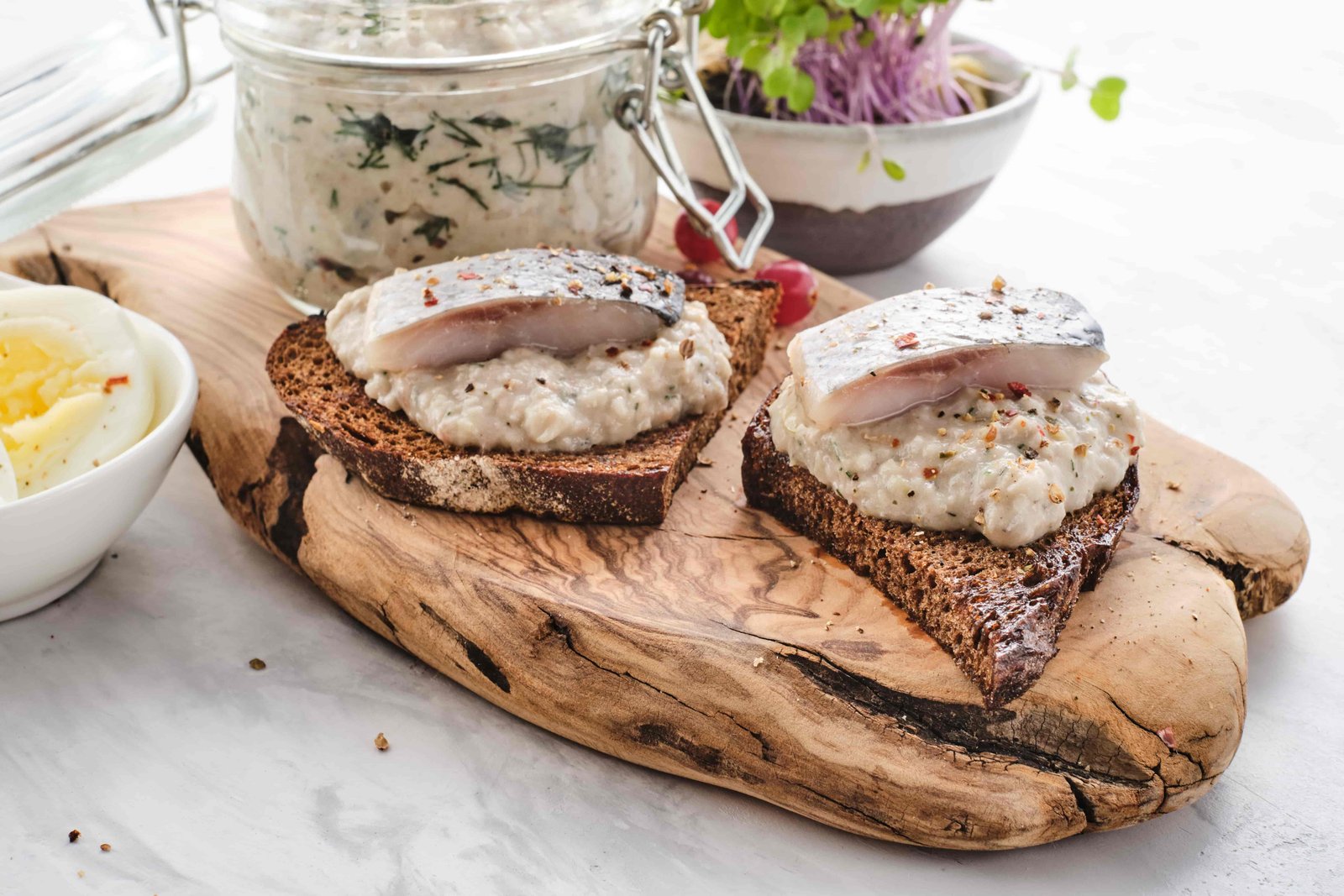
A useful introduction to Latvian food begins with ingredients you will see repeatedly: dark rye bread, potatoes, dairy products, peas, fish, mushrooms and berries. Many familiar dishes grew from farming, fishing and the need to preserve food through colder months. Regional habits and contact with neighbouring cultures have also shaped what people cook.
There is no single menu that every household follows. Restaurants range from traditional lunch places to contemporary kitchens, and recipes vary between families. Knowing a few dish names makes it easier to choose what interests you and ask what is actually in it.
The ingredients behind the menu
Rupjmaize, dark rye bread, often has a dense texture and a tang from fermentation. It can accompany soup, cheese or fish, and it also appears in desserts. Taste it on its own before adding a topping; different loaves can have noticeably different flavour and texture.
Potatoes may arrive boiled, mashed, fried or made into pancakes. Buckwheat, griķi, is another familiar accompaniment. Dairy products include biezpiens, a fresh curd cheese, and skābais krējums, sour cream. Dill and other herbs often appear alongside them.
Pickling, smoking and fermentation are part of the food culture. Cabbage, cucumbers, fish and mushrooms may be preserved in different ways. These terms are not interchangeable: smoked fish, marinated fish and fermented food involve different preparations.

Soups for different seasons
Aukstā zupa, cold beetroot soup, is particularly associated with warmer weather. Beetroot gives it a vivid pink colour, while kefir, cucumber and herbs are familiar ingredients. Boiled egg may be included. Ask about the recipe if you avoid dairy or eggs.
Skābeņu zupa uses sorrel for a sour green flavour. Potatoes, vegetables, egg or smoked meat may be part of the preparation. Frikadeļu zupa is a meatball soup, usually with vegetables in broth. These are useful names to recognise on an everyday lunch menu.
Grey peas, pork and small pastries
Pelēkie zirņi ar speķi means grey peas with pork fat or bacon. The peas are cooked and served with fried pork and onions in a familiar version of the dish. It is hearty food with a strong place in winter and festive cooking.
Karbonāde is commonly a fried pork cutlet, often served with potatoes and a sauce. Preparation and accompaniments differ, so the menu or server is a better guide than assuming one standard breading or garnish.
Pīrāgi are small baked pastries. Bacon and onion are a traditional filling, especially in speķa pīrāgi. They are convenient snacks and familiar celebration food. A pastry may look vegetarian from the outside while containing pork or animal fat, so ask before ordering if that matters to you.
Salads and food from the coast
Rasols is a prepared salad commonly involving potato, vegetables, egg and a creamy dressing, with other ingredients depending on the recipe. Meat can be included. Siļķe kažokā, often translated as herring under a fur coat, is a layered salad involving herring, root vegetables and dressing.
Smoked fish, kūpinātas zivis, is worth looking for in markets and coastal settlements. Ask the seller which fish it is and how it should be stored. A ready-to-eat smoked product still needs appropriate handling, especially when travelling on a warm day.
Rīgas šprotes, Riga sprats, are a familiar canned product, often packed in oil. In Liepāja, Liepājas menciņi is associated with smoked cod, potatoes, onions and pork. Availability and recipes depend on the restaurant, so check before making a special journey for it.

Mushrooms, vegetables and regional baking
A mushroom sauce, sēņu mērce, may be served with potatoes or buckwheat. Cream and butter are common in many preparations. Vegetable-based ingredients do not guarantee that a dish is vegan or even vegetarian: stock, pork fat and garnishes need checking.
Berries appear fresh in season and in jams, sauces and drinks. Cranberries, bilberries and garden berries contribute both sweetness and acidity. Herbal teas are also familiar, although a traditional use is not evidence that a drink treats a medical condition.
Sklandrausis comes from Kurzeme. Its open rye-flour crust holds potato and carrot filling, giving it a distinctive combination of grain and vegetable sweetness. The traditional speciality has EU protection for its production tradition. Ingredients and flavourings can include dairy, eggs and caraway; check the individual product rather than assuming it is free from a particular ingredient.
Desserts to recognise
Rupjmaizes kārtojums layers rye-bread crumbs with cream and jam or fruit. The slight sourness of the fruit and bread balances the sweetness. Another rye-bread dessert is maizes zupa, a sweet bread soup often made with dried fruit and served with cream.
Medus kūka is a layered honey cake, while pankūkas can mean different types of pancakes. Fillings and toppings may be sweet or savoury. These familiar cafe foods have variations across Latvia and neighbouring countries.
Kliņģeris is a shaped festive bake that can appear at birthdays, name days and other gatherings. Its form, decoration and filling differ. Buberts is a soft dessert associated with milk, eggs and semolina, commonly accompanied by a fruit sauce.

What appears at celebrations?
At Christmas, Ziemassvētki, grey peas, pork dishes, sauerkraut, salads and pastries can feature. Piparkūkas, spiced biscuits, are another familiar seasonal food. There is no need to treat one fixed number of dishes as a rule for every Latvian home.
Midsummer celebrations on 23 and 24 June are associated with Jāņu siers, a cheese flavoured with caraway. Caraway is different from cumin, despite confusion in some translations. Beer is familiar at the celebrations, with non-alcoholic options and herbal drinks also possible.
Easter, Lieldienas, brings decorated eggs and family food traditions. Onion skins are one traditional way of colouring eggs. Name days may involve cake, pastries or something to share with colleagues. The scale depends on the person and the gathering.
How to try Latvian food during a visit
A market, a bakery and an ordinary lunch restaurant can give you several different introductions without requiring a formal tasting menu. Look for seasonal produce and ask how a dish is prepared. In Riga, Central Market provides one starting point; regional towns have their own local options.
Share dishes if you want to sample several flavours, and check portions before ordering. For allergies, vegetarian or vegan diets, or religious requirements, ask about ingredients and preparation directly. A dish name gives useful context, while the kitchen can tell you what is on the plate that day.